Linking Player Protection Mechanisms to Banking Options in Regulated Swedish Gambling Applications
Riley Friedrich · Nov 3, 2026
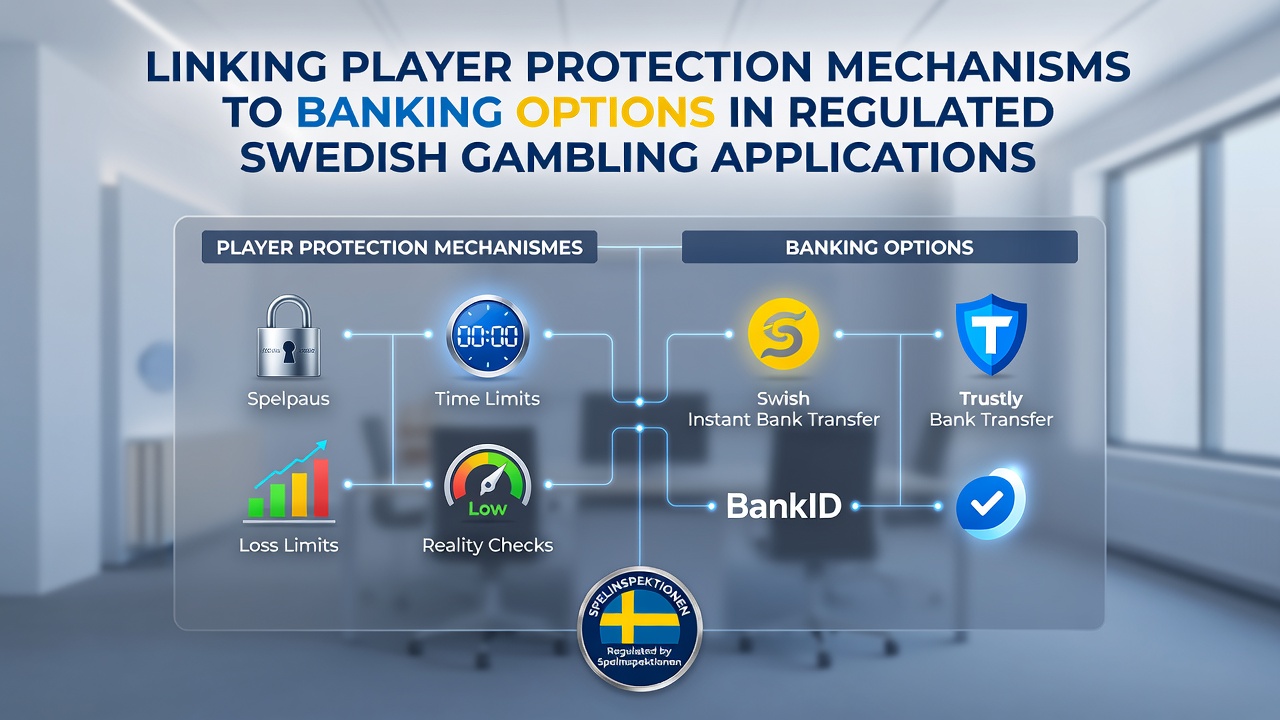
Linking Player Protection Mechanisms to Banking Options in Regulated Swedish Gambling Applications
Regulated gambling applications in Sweden connect player protection features directly to banking options through requirements set by Spelinspektionen, the national licensing authority, adn these systems enforce deposit limits, session caps, and exclusion protocols at the point of financial transactions. Operators must embed these safeguards into payment flows so that users encounter controls before funds transfer occurs, and this integration applies across mobile platforms using methods such as bank transfers, Swish, and approved e-wallets.
Regulatory Requirements for Payment Integration
Swedish licensing rules mandate that every approved gambling application links monetary transactions to responsible gambling tools, which means deposit requests trigger real-time checks against player-set limits and account status. Data from Spelinspektionen shows that platforms must verify a user's current limits before processing any incoming payment, and this process occurs automatically through API connections between banking partners and the operator's backend systems. Applications also route withdrawal requests through the same protection layer so that large or frequent payouts prompt additional verification steps tied to self-exclusion records.
Those who study the framework note that the rules extend to third-party payment providers, requiring them to share transaction data with the gambling operator in real time, and this sharing allows the system to pause or block a deposit if it would breach a daily, weekly, or monthly cap established by the player. Banking options available in these apps therefore carry embedded flags that communicate directly with protection databases maintained by the licensee.
Implementation Across Common Banking Methods
Bank transfers through major Swedish institutions integrate protection mechanisms by requiring the gambling application to query the user's limit profile before authorizing the transaction, while Swish payments route through a centralized gateway that cross-references account exclusion lists maintained by Spelinspektionen. E-wallet services approved for Swedish use follow similar protocols, and each method logs every attempt so that regulators can audit compliance during license reviews. Observers note that these connections reduce the chance of players bypassing limits through alternative funding sources because the protection layer sits at the banking interface itself.
One study of licensed operators revealed that applications using instant bank transfers experienced fewer limit breaches after the integration became mandatory, and the same research indicated that Swish transactions now include an automatic notification to the user about remaining deposit room before the payment completes. These features rely on secure data exchange standards that keep personal banking details separate from gambling account information while still enabling the required checks.
Updates Scheduled for November 2026
Additional technical standards scheduled for November 2026 will expand the data fields exchanged between banking providers and gambling applications, and these changes include mandatory reporting of transaction velocity alongside existing limit checks. Regulators have indicated that the new requirements will also cover multi-account detection across different payment methods, which means a single player attempting to fund multiple gambling accounts through separate banks will trigger unified protection alerts. Operators have already begun testing upgraded APIs ahead of the deadline to ensure seamless operation once the rules take effect.
Impact on Player Account Management
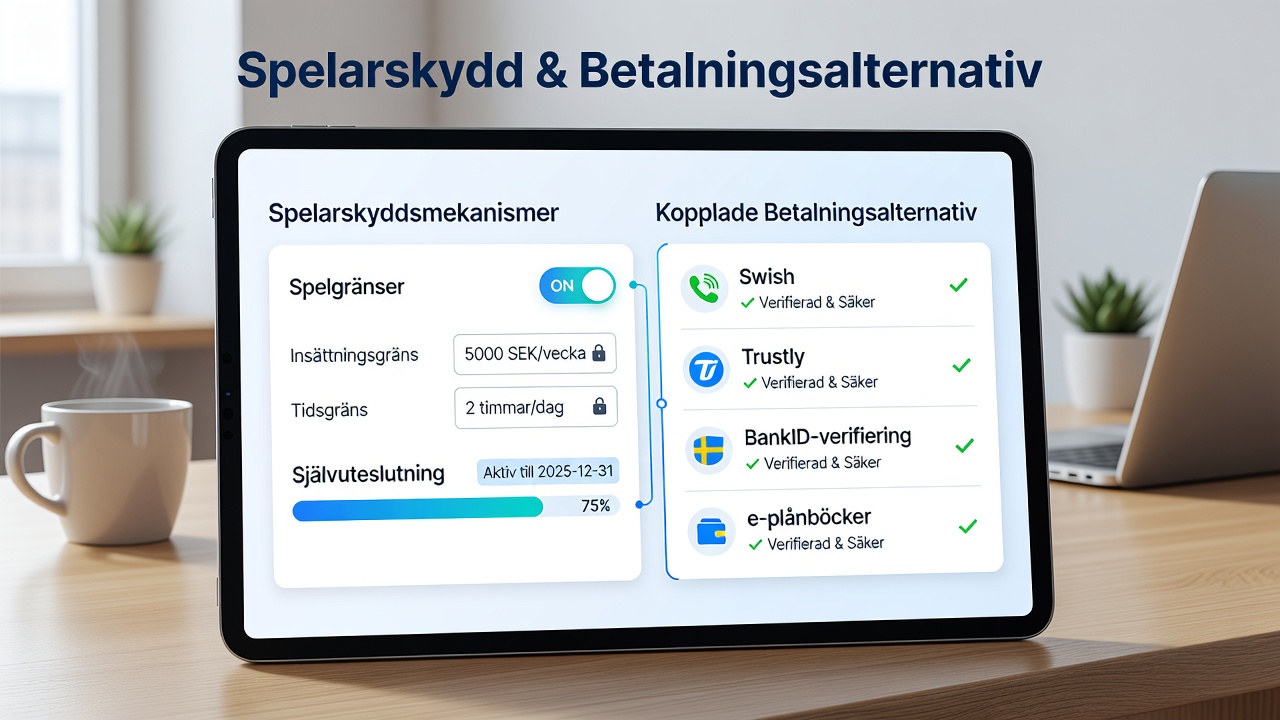
Players in the regulated Swedish market encounter protection mechanisms at every banking interaction, and this constant visibility encourages consistent use of limit-setting tools according to figures released by industry monitoring groups. Applications display remaining deposit allowances directly on the payment screen, and users can adjust those figures without leaving the transaction flow. Research from academic institutions tracking gambling behavior in the Nordic region has documented higher rates of voluntary limit adjustments when the controls appear alongside banking options rather than in separate menu sections.
Case examples from licensed operators show that integrating exclusion lists with withdrawal processing has reduced the number of accounts reactivated after self-exclusion periods, and the same data sets reveal that players using multiple payment methods receive coordinated alerts across all connected banking channels. This coordination relies on unique identifiers that link accounts without exposing full financial records to the gambling platform.
Technical Standards and Compliance Monitoring
Spelinspektionen conducts periodic audits that examine the accuracy of limit enforcement at the banking layer, and these reviews include test transactions designed to verify that protection rules activate before any funds move. Licensed applications must maintain logs that capture both successful and blocked transactions along with the protection rule that triggered each outcome. External testing bodies contracted by operators perform penetration assessments to confirm that the integration points resist tampering or bypass attempts.
Industry reports from organizations such as the European Gaming Association highlight that Sweden's approach serves as a reference model for other jurisdictions examining similar linkages, and the documentation emphasizes the role of standardized communication protocols between banks and gambling systems. Data from these sources indicates steady growth in the number of Swedish-licensed applications that have achieved full compliance ahead of the 2026 enhancements.
Conclusion
The connection between player protection mechanisms and banking options in regulated Swedish gambling applications continues to evolve through regulatory updates and technical refinements, and the framework scheduled for November 2026 will further strengthen these ties. Licensed operators maintain compliance by embedding limit checks, exclusion lists, and transaction monitoring directly into payment processing flows, which ensures that safeguards activate at the moment of financial interaction. Observers tracking these developments point to measurable reductions in limit violations and improved account management practices across the market as evidence that the integrated approach functions as intended.