Sweden's Regulatory Framework Driving Adaptations in Secure Deposit Options for Mobile Slot Platforms
Mia Walter · Sep 8, 2026

Sweden's Regulatory Framework Driving Adaptations in Secure Deposit Options for Mobile Slot Platforms
Sweden maintains a structured licensing system under the Swedish Gambling Authority that shapes how operators handle deposits on mobile slot platforms, and this framework continues to push platforms toward enhanced security protocols as market demands evolve. Data from regulatory filings shows that licensed operators must integrate verified payment channels that comply with strict identity checks, while platforms adapt their systems to meet these standards without disrupting user access. Researchers at European gaming studies centers have documented how these rules create layered verification steps that reduce unauthorized transactions across mobile interfaces.
Core Elements of the Swedish Licensing Model
The licensing model established in 2019 requires all operators targeting Swedish players to hold permits from the national authority, and this setup enforces deposit limits tied directly to player verification through BankID technology. According to records maintained by the authority, platforms must ensure that every deposit transaction routes through authenticated channels that confirm user identity in real time, which has led mobile developers to embed additional encryption layers and fraud detection algorithms. Those who track compliance trends note that operators have shifted toward partnerships with established financial institutions to maintain these standards, while data indicates a measurable drop in chargeback rates following the rollout of these measures.
Platforms operating mobile slot games face specific obligations around transaction monitoring, and reports from industry associations highlight how these rules extend to session-based deposits that prevent rapid successive transfers exceeding predefined thresholds. Experts observing the sector point out that such restrictions stem from broader consumer protection mandates embedded in the licensing conditions, prompting developers to redesign deposit flows with automated alerts and temporary holds on high-volume activity. One study released by a Nordic research consortium revealed that mobile operators adjusted their backend systems to log every deposit attempt with timestamped verification data, creating audit trails that regulators can review during periodic assessments.
Security Adaptations in Mobile Deposit Systems
Mobile slot platforms have incorporated multi-factor authentication protocols that align with Swedish requirements for secure deposits, and these changes include biometric options alongside traditional password systems to streamline yet safeguard the process. Figures from platform analytics show increased adoption of tokenized payment methods that mask sensitive banking details during transactions, a direct response to rules demanding reduced exposure of personal financial information. Observers note that developers now routinely test deposit interfaces against simulated breach scenarios to demonstrate resilience during licensing renewals, while integration of real-time risk scoring helps flag suspicious patterns before funds transfer completes.
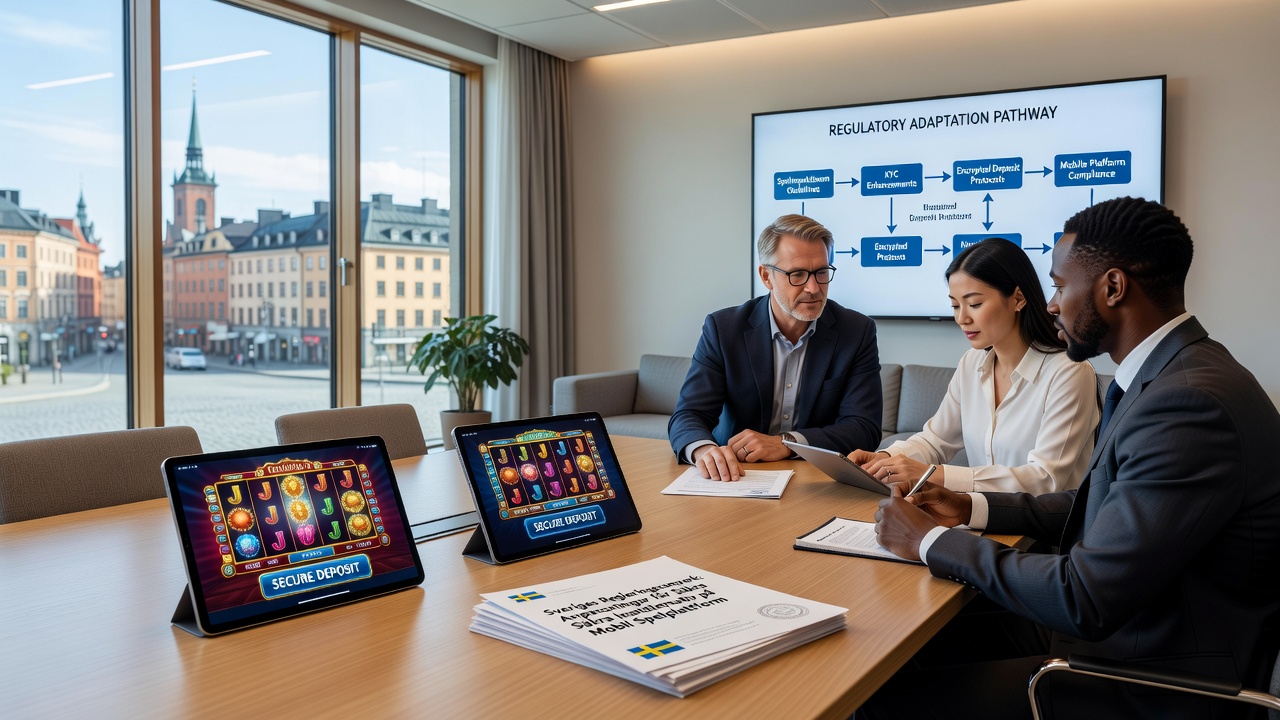
Adaptations extend to the use of virtual wallets that operate within licensed environments, and these tools allow players to preload funds through verified routes that satisfy identity confirmation rules from the outset. Research indicates that operators have expanded support for instant bank transfers while phasing out less traceable options, a shift documented in annual compliance summaries submitted to the authority. Those monitoring platform updates have seen widespread implementation of deposit confirmation screens that display remaining daily or monthly limits before any transaction proceeds, reducing the likelihood of inadvertent overspending.
Upcoming Developments Around September 2026
Regulatory updates scheduled for September 2026 introduce enhanced reporting standards for deposit-related incidents, and operators are preparing systems to transmit anonymized data sets that detail transaction volumes and verification success rates. According to preliminary guidance issued by the authority, platforms must demonstrate capability to detect and block deposits from unverified sources with greater precision, which involves upgrades to machine learning models used in fraud prevention. Industry reports suggest that these changes will also require clearer disclosure of processing fees within mobile interfaces, ensuring users receive complete information before confirming any transfer.
Testing phases for these new protocols are already underway among major license holders, and data collected during pilot programs shows improved accuracy in identifying mismatched account details during deposit attempts. European Union gaming oversight bodies have referenced similar verification enhancements in cross-border discussions, providing additional context for Swedish operators seeking alignment with broader digital security trends. Platforms continue to refine their mobile applications to handle these forthcoming requirements without introducing delays in the deposit sequence itself.
Conclusion
Sweden's regulatory approach continues to influence how mobile slot platforms structure their deposit options, with ongoing emphasis on verified transactions and real-time monitoring creating a consistent framework for secure operations. Records from the licensing authority demonstrate that these adaptations have become standard practice across compliant platforms, while scheduled refinements in 2026 point toward further integration of advanced detection tools. Observers tracking the sector expect continued evolution in deposit security measures as operators respond to both national rules and emerging technological capabilities.